
I missed being able to vote in the 2014 general election by a whisker. I turned 18 in July that year, two months after the NDA’s historic win. I knew, in the months leading up to it, with a certainty that was quite likely insufferable to the real adults around me, that it was going to be a watershed election.
Those of us who were born in the mid-1990s — generational cuspers, not quite millennial and not quite Gen Z — entered our teens just as the internet became widely accessible and affordable to the average middle-class household in India. We were old enough to remember a pre-digital age, and young enough to make the internet our gateway to the world. For many of us, our political vocabulary was forged through Wikipedia rabbit holes in our early teens. We read widely, watched widely, entered chatrooms with people from around the world, and found our own sources of knowledge in a time before algorithms, but largely without adult steering.
We were also born just a couple of years after the demolition of the Babri Masjid, an event that completely changed the fabric of India. I cannot pinpoint the moment when I first read or heard about it. In some sense, the scars had seeped into our lives so thoroughly that I knew the dangers of sectarianism in much the same way that I knew women are unsafe in India.
The ability to express dissent is oxygen. This year, I feel like I can breathe again.
It had not even been two years since Nirbhaya. We were finishing school, and many of my peers had been told by their parents that they were not ‘allowed’ to leave the city we had grown up in. They said it was a question of safety. But it was constraint, a matter of ambitions deferred, forcing a reckoning in very real, material ways with the shrinking of opportunity at a time when the future should have seemed full of possibility.
I was in a privileged minority. Growing up in a mixed community, intercaste, trilingual household in urban India in the 2000s, my civic sensibilities had been further shaped by a steady diet of NCERT textbooks which were singular in their message about unity in diversity. Our education in political science spun around the axis of the democratic ideal: each chapter outlining how the rights we take for granted were fought hard for and won, the unfairness and shortsightedness of unitary decisions, and extolling the virtues of multilingualism, federalism, and decentralization. Secularism was sacred. Freedom of expression — and of disagreement — had forged these victories. I had consumed this as if it were oxygen. My fierce pride in being Indian was inseparable from these convictions; it was the only way I could make sense of my own multiregional, multilingual, and largely secular upbringing.
Begging to Differ
And so, as a firm believer in electoral democracy, I found myself confronting the duality that is inherent to democratic life: having a government one had not voted for, but which had nonetheless been elected. Throughout my entire adult life, the same party has been in power in Delhi, and its regional footprint has only grown. Over the 12 years since, I have come to understand the peculiar dissonance of living under a popular government, one with an electoral mandate, while experiencing Indian politics through a deep sense of loss. Somewhere along the way, we Indians, so naturally contrarian by nature, so prone to being the noisiest, most disruptive people in a room, had lost the ability to disagree without treating dissent as an existential threat.
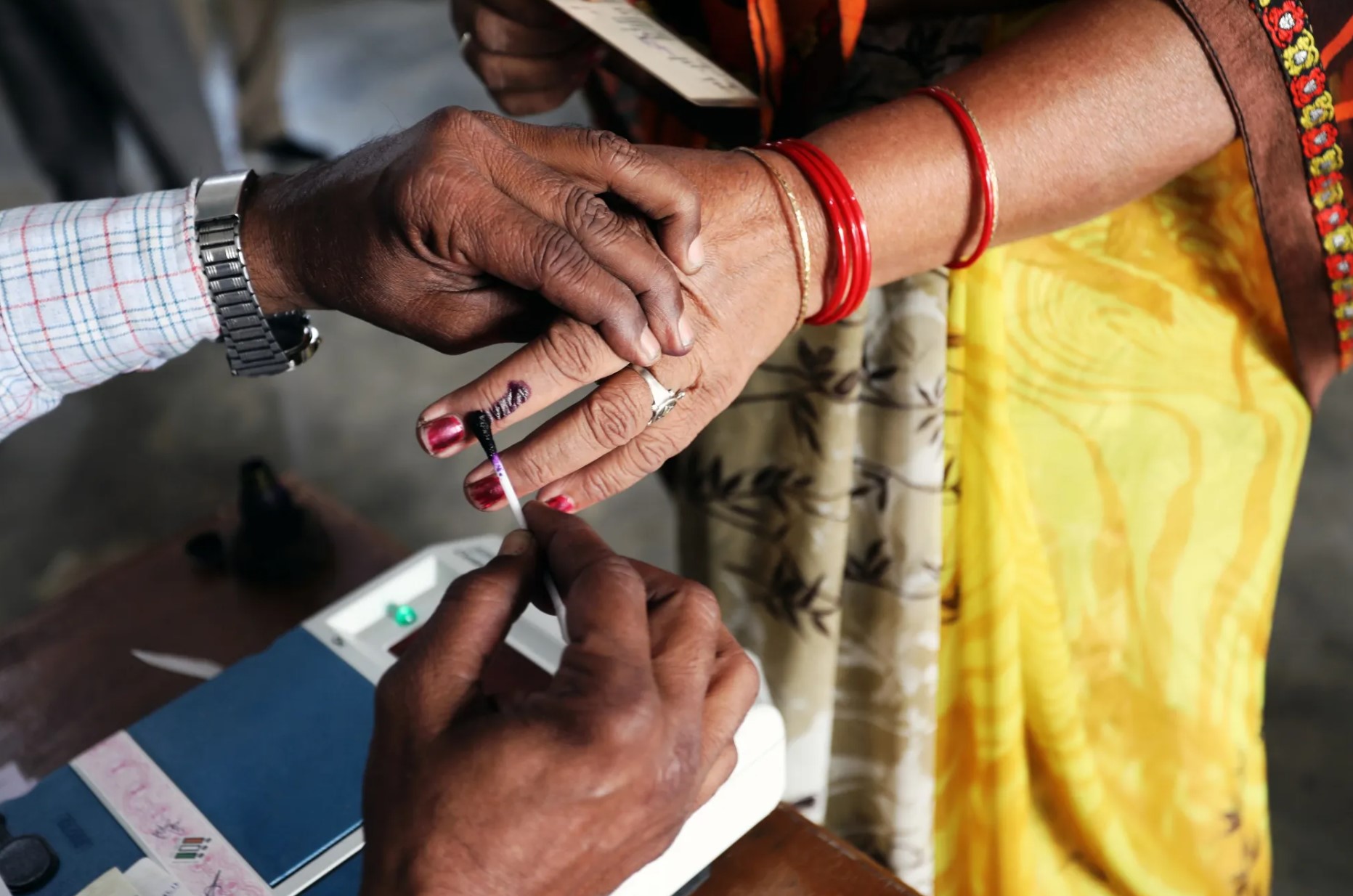
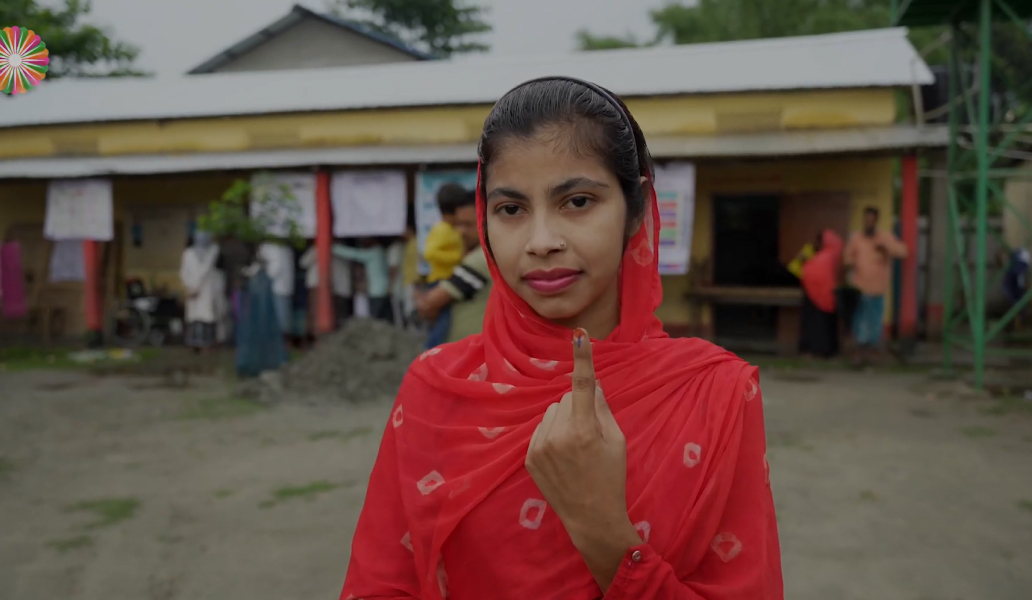
In 2014, the only reasonable choice on the ballot for me was NOTA, or ‘None of the Above’. Introduced in state elections the previous year, it was being used for the first time in a general election. Serious arguments ensued with my peers and family over whether it was a symbolic or useless vote. We disagreed, energetically, enthusiastically, but never as though our differences were irreconcilable.
I’ve never actually voted NOTA in the years since, but there was something unshakeable then about my faith in NOTA as the right to reject the options on offer. In the 2014 Lok Sabha elections, nearly 6 million NOTA votes were cast, 1.08% of the total. This remains the highest share NOTA has ever received in a general election; by 2024, it had declined to 0.99%.
Discontent does not disappear when dissent is silenced. We all pay, and we have been paying, the price.
As an observer, I encountered the murky world of student politics at Delhi University. Every election season, a fleet of white Renault Dusters descended on North Campus, the parathe-wale shops oozed with party workers, ‘gifts’ of eyeliner pencils mysteriously appeared in girls’ hostels and booze flowed freely into boys’ apartments. I lived near a chowk where vicious brawls between and within parties were an everyday affair. The wealthier youth wings of the national parties competed with a strong left presence.
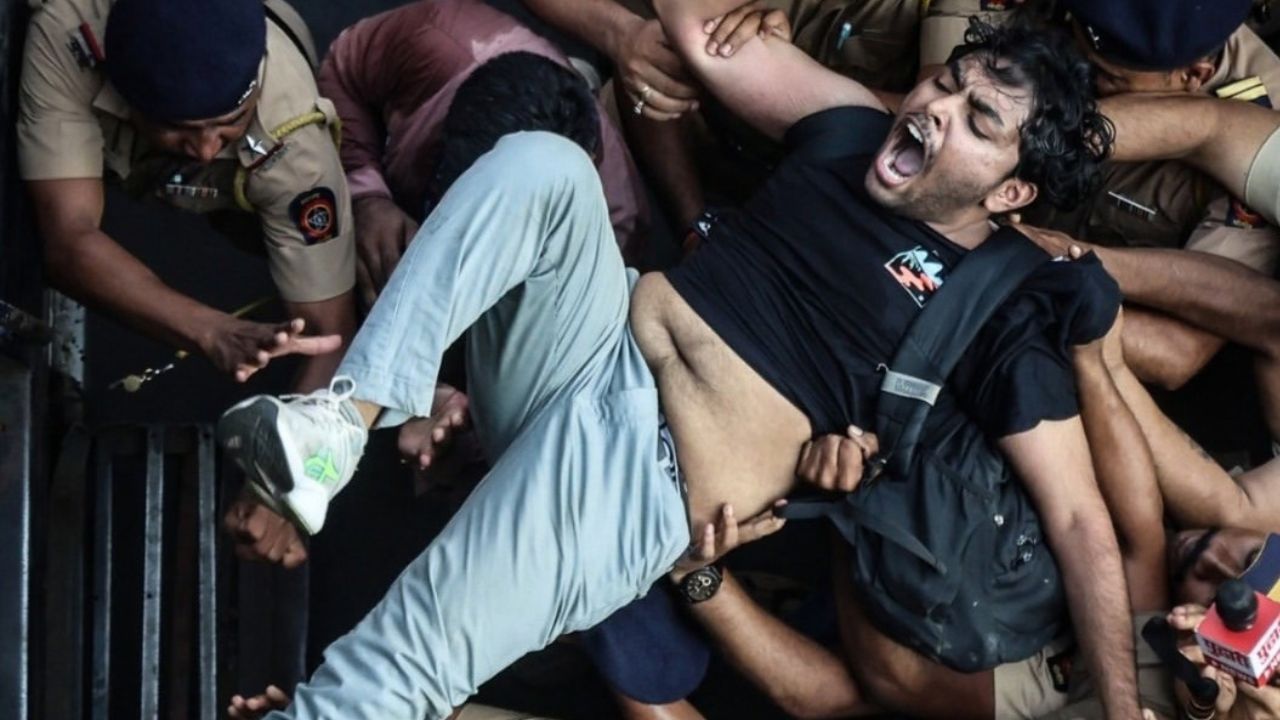
Demonetisation happened while we were undergraduate students, a rude shock and, for me, the first realisation that before the state, we are all small fry, even though a small minority are considerably better equipped to weather its storms. Many of us were incensed about its disproportionate impact on rural populations and the urban poor. Meanwhile, air pollution in Delhi began to worsen. In 2016, I saw masks on the streets for the first time. But my relatively insulated bubble burst in February 2017. The ABVP had violently disrupted an academic conference on Kashmir at Ramjas College. Some friends who attended were injured in the fracas. We went to the police station to lodge a formal complaint, the solidarity slogans of our gathering tuning out taunts from the men who had gathered on the other side of the road. We were pushed further and further onto the thoroughfare, and at that point the lathis fell. It was a scramble of screams, a blur of bodies, some of us grabbed by their collars and pushed into buses, others running barefoot. One’s life is never quite the same after the brutal realization that public institutions do not always function to serve us.
Disagreement has Costs
Over the next few years, disagreement with the policies of the government in Delhi came to be equated with criticism of the nation. Political polarisation began to run so deep that friendships and families were put to the test. Boomers on the left began to give up hope, seemingly paralysed by grief. Boomers on the right became increasingly discombobulated, dissolving into apoplectic rage when even minor comments were made. For a generation so fond of criticising snowflakes, they are triggered far too easily.
We used to engage in lengthy fights on Facebook, in the comments sections, until that too stopped as the trolls and bots took over. The fear of the consequences of disagreement seemed too high to risk using some words on social media. The quality of public debate declined precipitously; television ‘debates’ became unhinged shouting matches. The boomers watched, enthralled. We retreated to our phone screens, doomscrolling.
The anti-CAA-NRC protests of December 2019 presented an inflection point. They seemed to suggest that large swathes of India’s population still believed in the secular ideal. Who knows what might have happened, but for COVID? And the pandemic exposed the limits of state capacity on a staggering scale. An uncoordinated, but nonetheless behemoth, civil society effort to mobilize help through social media saved lives.
Freedom of expression — and of disagreement — had forged these victories. I had consumed this as if it were oxygen.
During the pandemic, our pivot away from print media to curated digital platforms for news was even further cemented. We found Instagram to escape our WhatsApp University uncles and aunties. Algorithms sorted us into neat echo chambers. It is an open market for misinformation. We were also the generation that turned, almost en masse, to dating apps to find love, companionship and friendship. Many of these apps use broad categories: liberal, moderate, conservative, apolitical, or other. For us ‘liberals’, itself a broad church, every other category seemed to signify some version of the right. We swiped left.
On the Contrary
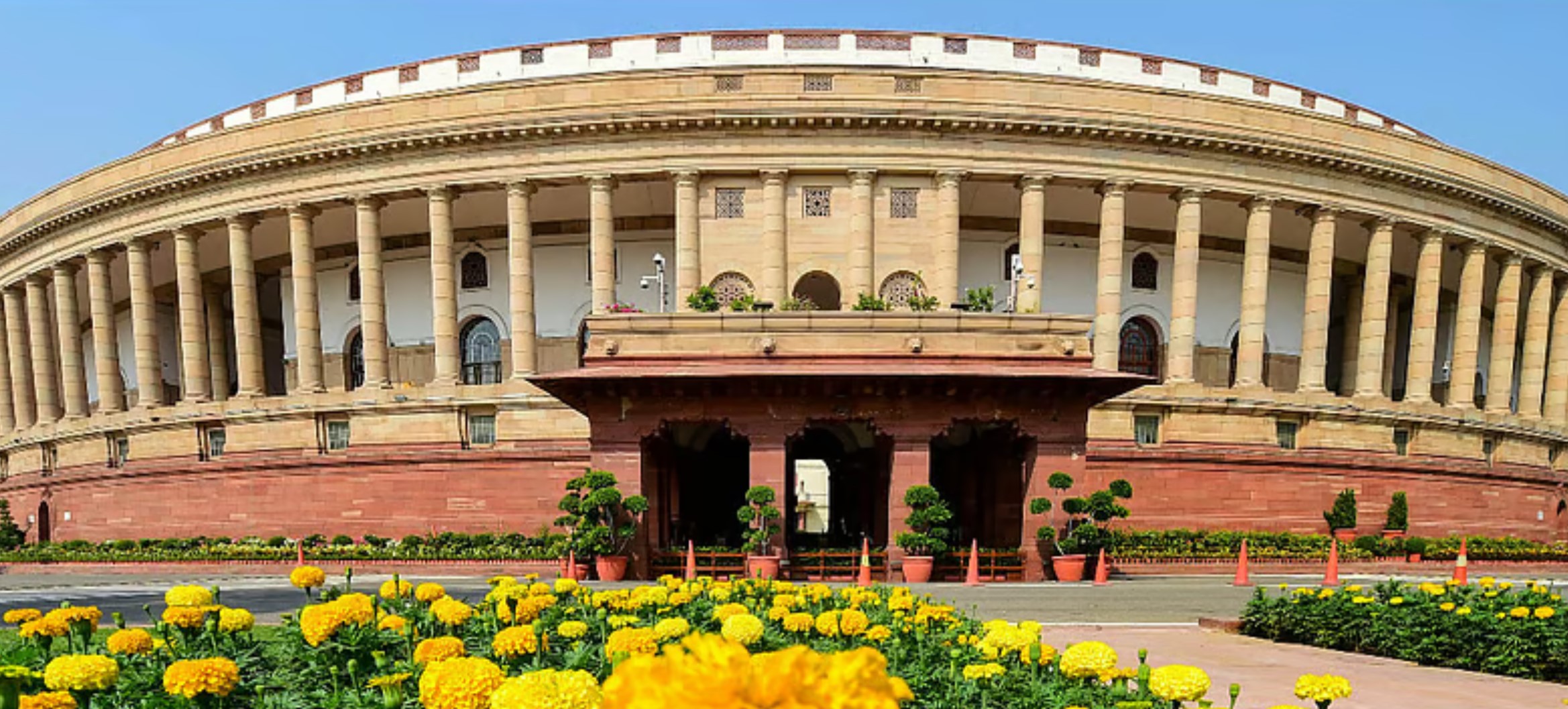
For many years, I had resigned myself to thinking that there was hardly any space for secular, progressive politics; that Indians had repeatedly voted for an experience of Indianness that was homogeneous and singular. I remember the sheer incredulity I felt after the shock 2024 Lok Sabha election results, when the people of India elected something resembling a viable opposition. Contrary to claims that opposition parties would be decimated, the BJP won only 240 seats, considerably short of the 400-seat majority it had projected.
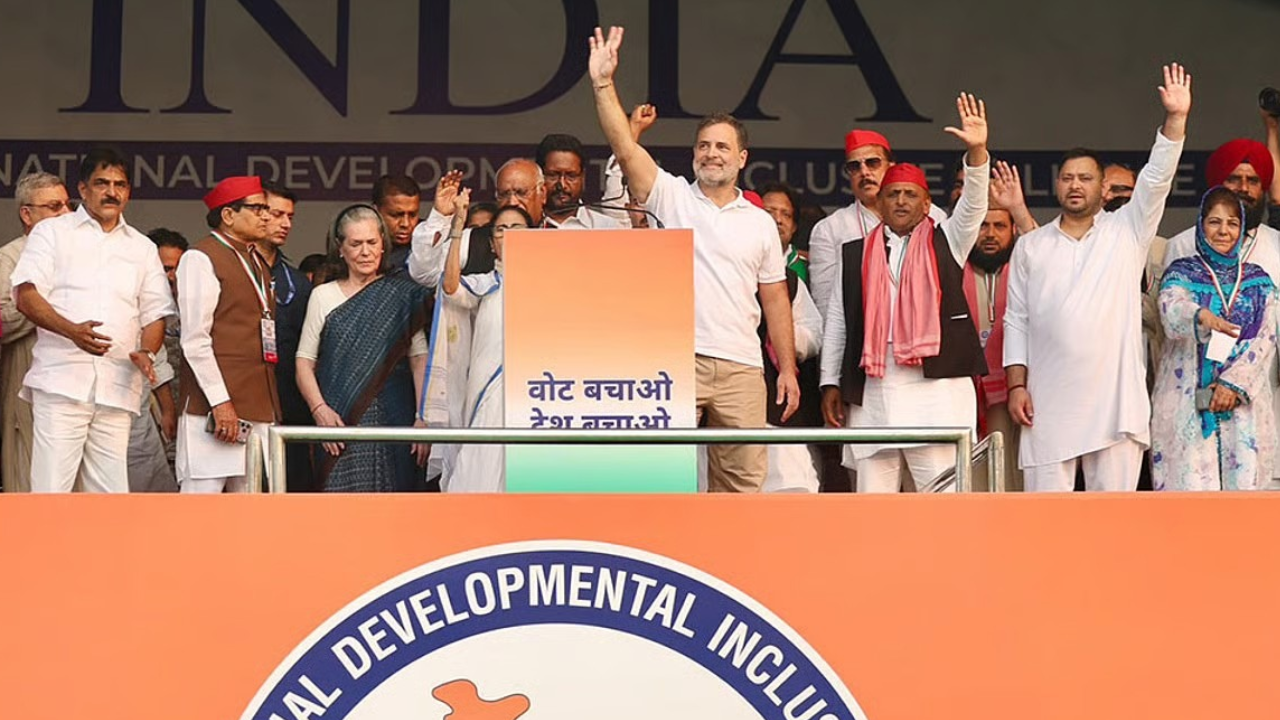
In Faizabad, the constituency which includes Ayodhya, where the Ram Mandir had been built on the site of the Babri Masjid, the incumbent BJP lost to the Samajwadi Party. The Congress-led INDIA opposition alliance was not far behind at 234 seats. Perhaps there was a chance to hold the government accountable for failing and underperforming public institutions.
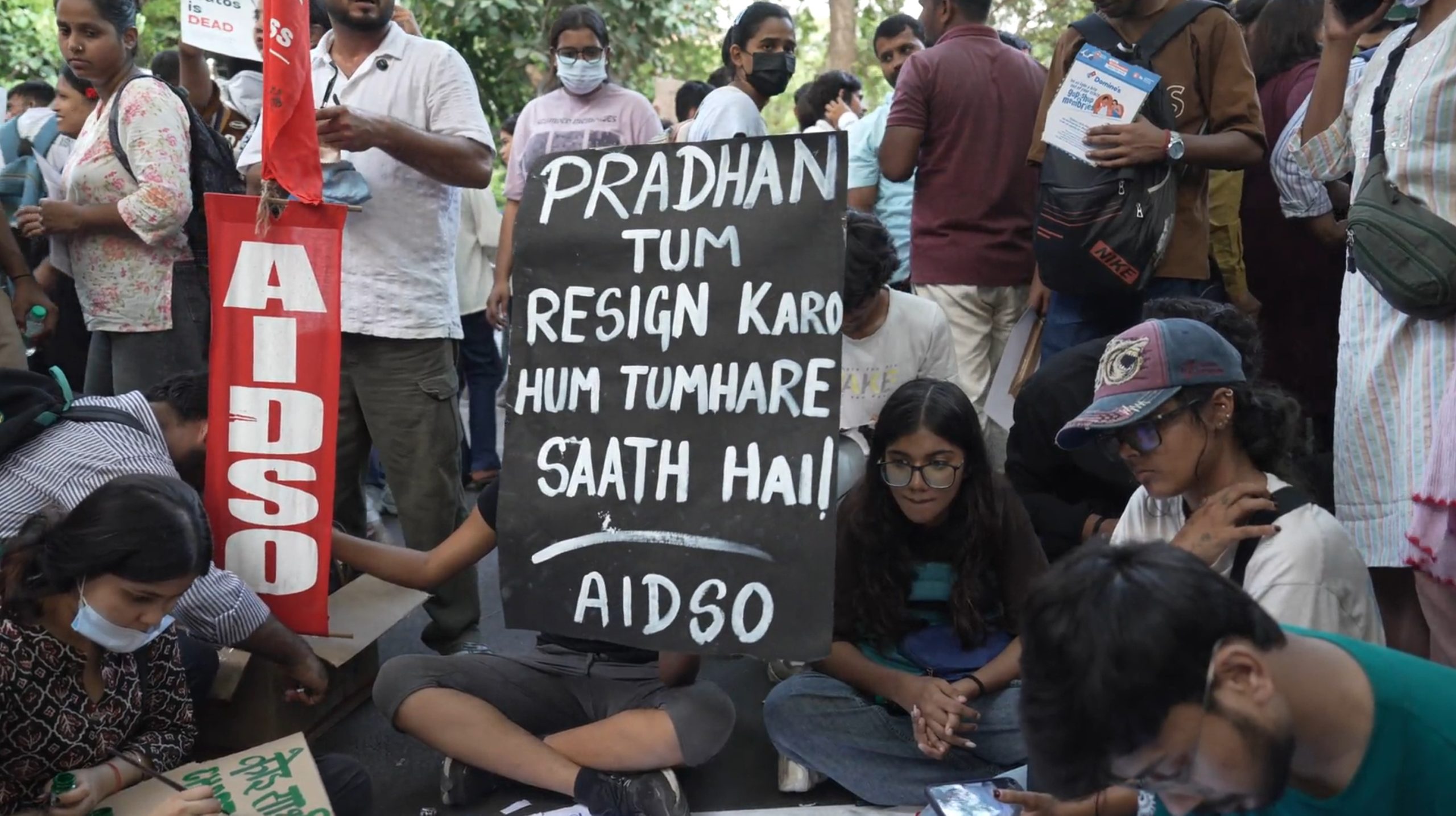
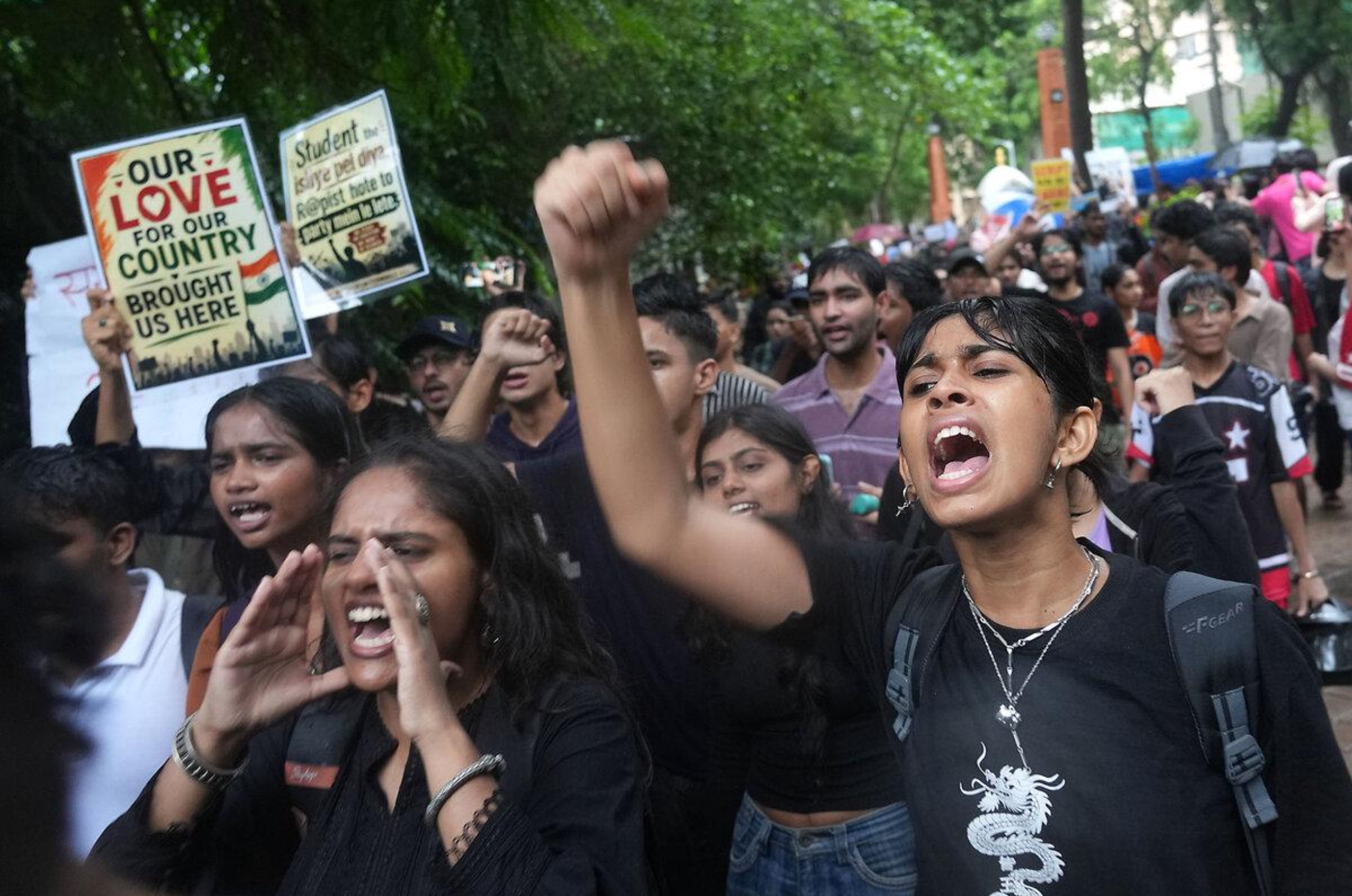
Earlier this year, the youth of India held a mirror up to the state.
I watched as so many young people went through that incredibly jarring moment of experiencing police violence for the first time. I knew the strange sense of loss and helplessness, followed by the anger, all too well. I watched, amazed, as that anger was distilled and channelled into humour, sharp criticism, and a firm assertion of rights.
For what feels like the first time in my adulthood, there is a real possibility of imagining, contesting, and reimagining what a secular, progressive politics could look like. There is space to disagree, to express discontent, to dissent.
That is more important than ever. The disenfranchisement of millions of Indians is an existential threat to our democracy. Discontent does not disappear when dissent is silenced. We all pay, and we have been paying, the price: in the erosion of public institutions, in the deterioration of education and healthcare, and in the declining credibility of the Election Commission.
Us cuspers turned 30 this year. Hundreds and hundreds of thousands of people have been coming out onto the streets to express discontent and demand accountability.
We, as Indians, are contrarian by nature, and, for what feels like the first time in far too long, there is space for productive political disagreement. This year, a weight I hadn’t fully realised I was carrying fell from my shoulders. The ability to express dissent is oxygen. This year, I feel like I can breathe again.
Are You Passionate About India's Future? Join Our Community to Collaborate, Advocate, and Create Positive Change.