
Image Credits: AFP
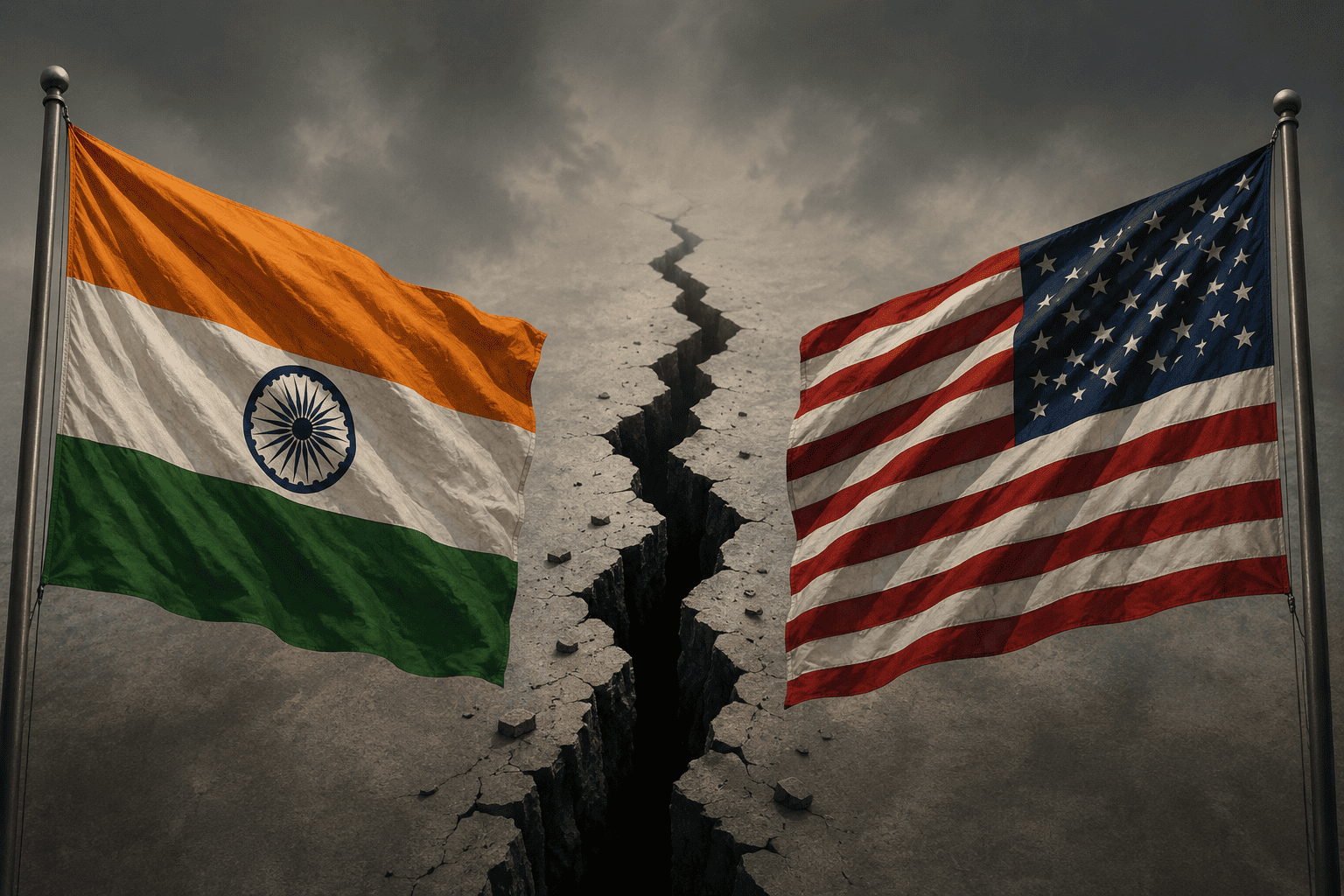
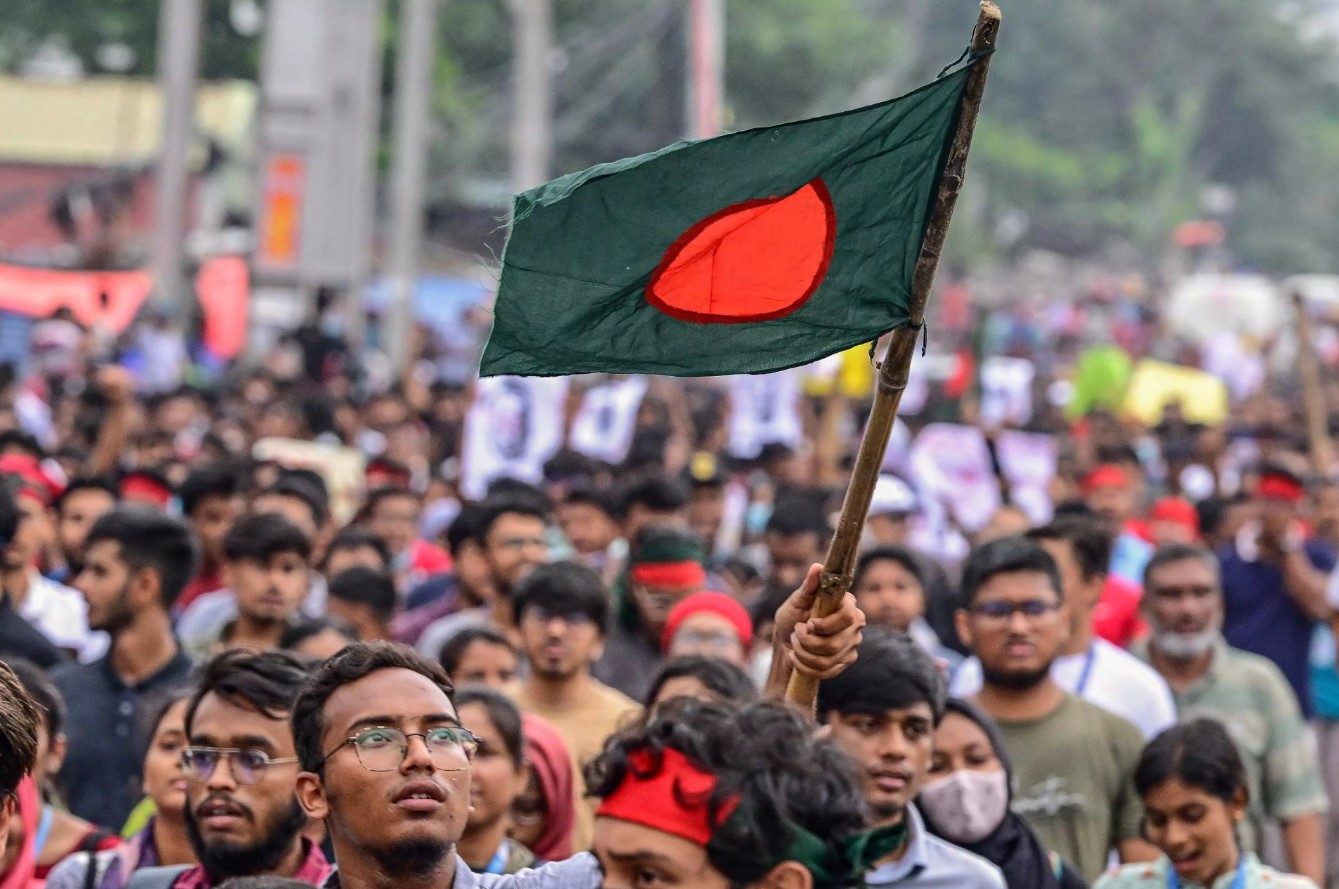
India and Bangladesh have had a very special relationship since 1971, when India intervened militarily to end a genocide in East Pakistan, and made possible the birth of a nation. Just over 50 years later, the people of the two nations are committing atrocities against targets painted as the other, have mobs attacking each other’s visa offices and consulates, and their foreign ministries are summoning each other’s envoys to receive ritual scoldings for being badly behaved. But while differences in South Asia are usually about religion, ethnicity and culture, in this case, nationality is the great divider.
Halfway across the world, this reversal seems to be exerting an effect on the diaspora. The expats of several South Asian nations feel connected by cultural ties. Pakistanis and Indians share Urdu and Punjabi culture, apart from the powerful connection of Hindi cinema. Nepal shares its religious culture with India. Tamil unites part of the Sri Lankan population with India. The connection is strongest in the east, because the liberation struggle in Bangladesh was based on linguistic culture. The religious identity on which Pakistan was created proved to be weaker than the Bengali cultural identity, and it united people on either side of the international border.
These cross-border ties are reflected in the numerous South Asian organizations in the US. There are political advocacy groups like South Asians for America (SAFA), which backs Democrats and helped to elect Joe Biden president in 2020. There are professional bodies like the American Association of Physicians of Indian Origin (AAPI) and the South Asian Journalists Association (SAJA). There are cultural organizations like the South Asian American Digital Archive (SAADA), which preserves the history of the diaspora, and media organizations like Sapan News, which was initially part of the Southasian Peace Action Network (SAPAN). All these organizations assert, in their very names, that their domain is South Asia ― they are not restricted to any one nation in the region. They dematerialize borders, but conversations could become awkward across any one of them, depending on current political flashpoints. Right now, the awkwardness is between the emigrants or expats from India and Bangladesh.
Undoubtedly, India has bungled the relationship by giving permanent refuge to Sheikh Hasina when her country rejected her corrupt regime. But Bangladesh made things difficult by sentencing her to death in absentia.
Undoubtedly, India has bungled the relationship by giving permanent refuge to Sheikh Hasina when her country rejected her corrupt regime. But Bangladesh made things difficult by sentencing her to death in absentia. They could have sought her extradition to face trial instead. No country sensitive about its image can afford to let even an ordinary refugee be extradited to face certain death, let alone a head of government. With some foresight, India could have sent Hasina to a third party nation while her trial was in progress ― like one of the former CIS states where, Bangladeshis believe, her family has stashed the fruits of corruption. Neither of these solutions was considered.
Bangladeshis, including members of the diaspora, also believe that the Research and Analysis Wing, India’s foreign intelligence agency, which was set up by Indira Gandhi, was remote-controlling Hasina’s government. The fact that the student-led rising in Bangladesh took the Indian government unawares, and that it is still floundering, does not deter them from believing that Indian agencies have always been fully in charge, and fully in control.
There is a truth at the heart of this belief ― India is the regional Big Brother, and it does throw its weight around. Sometimes, violently. But that does not mean that it can take over the neighbouring nations. Sri Lanka and Nepal demonstrated this long ago. Recently, the ‘failed state’ of Pakistan and even tiny Maldives asserted themselves. With respect to relations with America, Field Marshal Asim Munir, the only real authority in Pakistan, merited a halal lunch at the White House ― the only Pakistani military commander to ever enjoy the honour ― while India has been singled out for the most aggressive trade war of the Trump administration.
Is India a Big Brother in reduced circumstances? Its response to the turmoil in Bangladesh is mainly expressed via troll farms and compliant media, which are whipping up hysteria. In 1971, the Indian government had responded immediately and directly to a humanitarian crisis in East Pakistan. Archer Blood, US Consul General in Dhaka, had sent a blistering telegram home to President Richard Nixon and Henry Kissinger, warning them of human rights violations being committed by Pakistani forces in Operation Searchlight, a pogrom against Bengali nationalism. Its recipients declined to act, because the US was building bridges with Beijing via Islamabad.
But Indira Gandhi acted, providing the Bangladesh government in exile safe haven in India, ordering troops into East Pakistan and facing down Washington, which had sent the USS Enterprise into the Indian Ocean to support Pakistan. She met Nixon and Kissinger, following which the former opined that she was a “witch” and the latter, a “bitch”. Kissinger also made bizarre observations about the sexuality of Indians. Much later, he attributed these to the absurdity of the Cold War years, but clearly, Mrs Gandhi had goaded him beyond endurance.
In contrast, India is now outsourcing its response to the Bangladesh situation to unofficial channels ― social media and captured media ― exactly like Little Brother Bangladesh is doing, and both are inflaming their domestic public. They are hurtling inexorably towards ending a very special relationship.
Are You Passionate About India's Future? Join Our Community to Collaborate, Advocate, and Create Positive Change.